Product Highlights :

Security policy

Delivery policy

Return policy
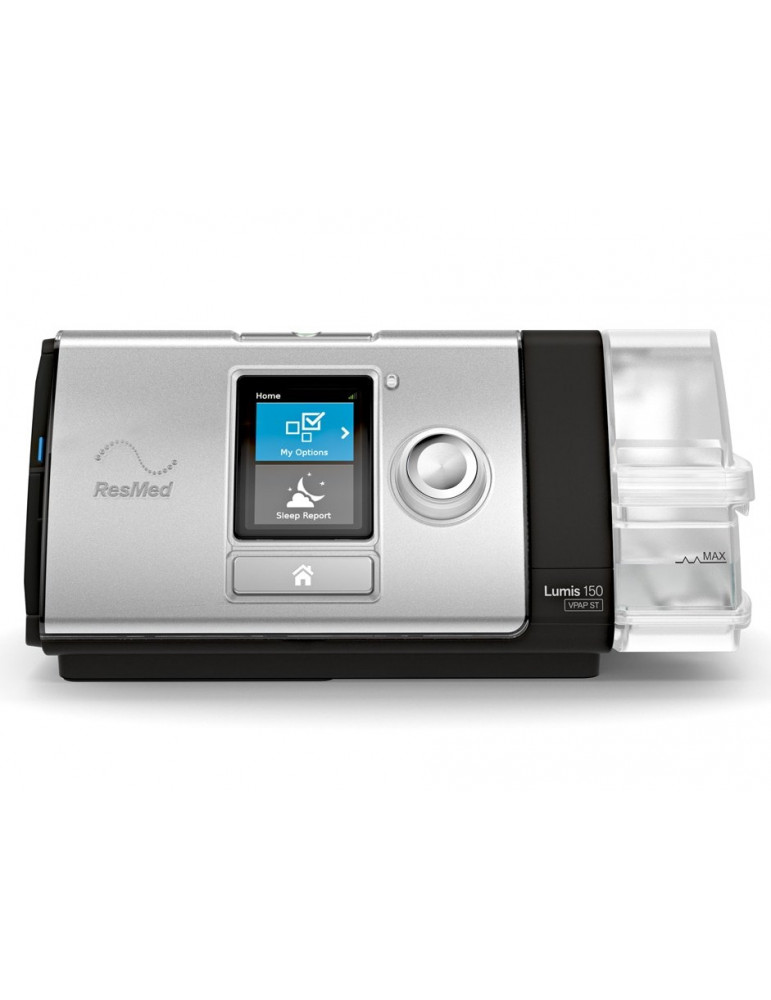
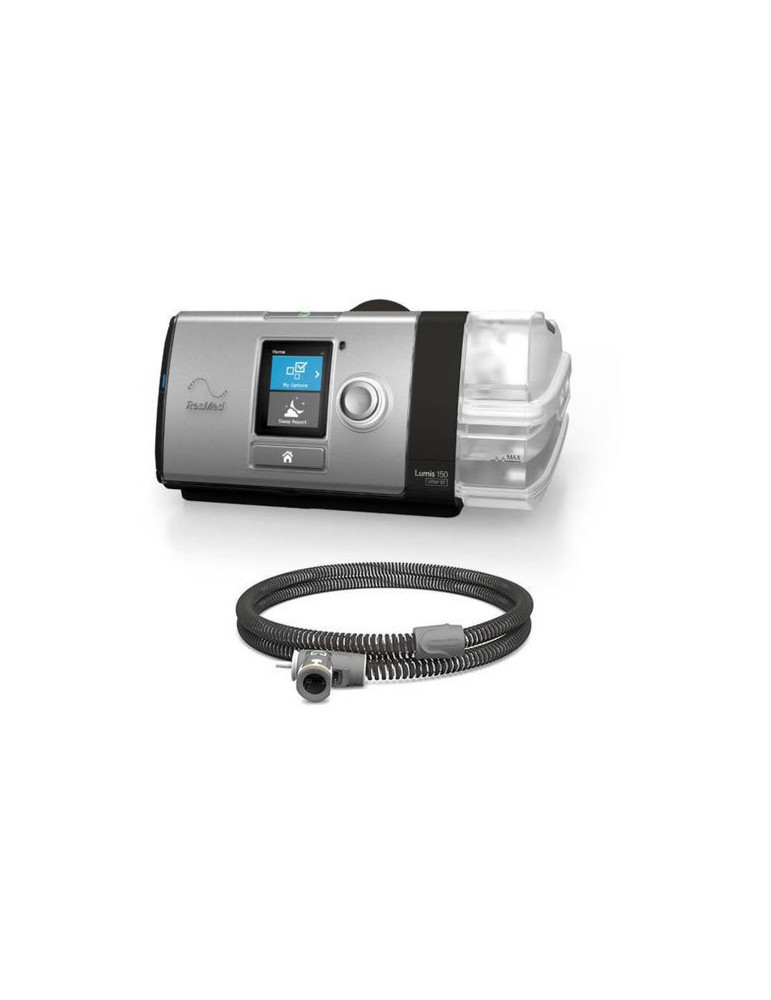
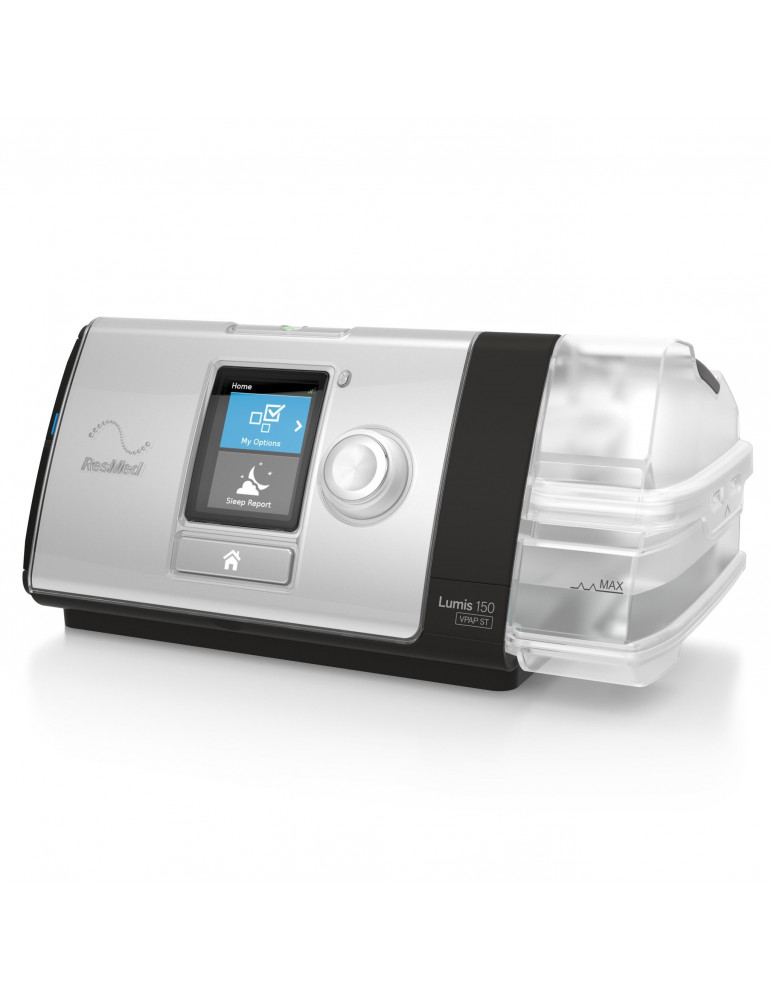
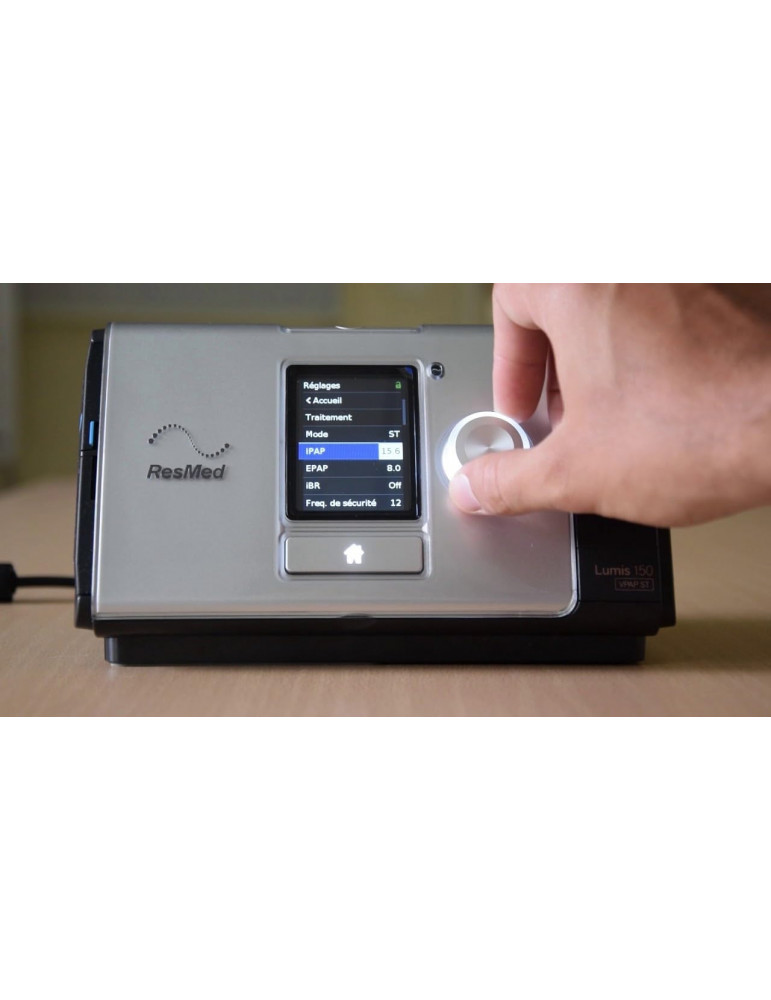
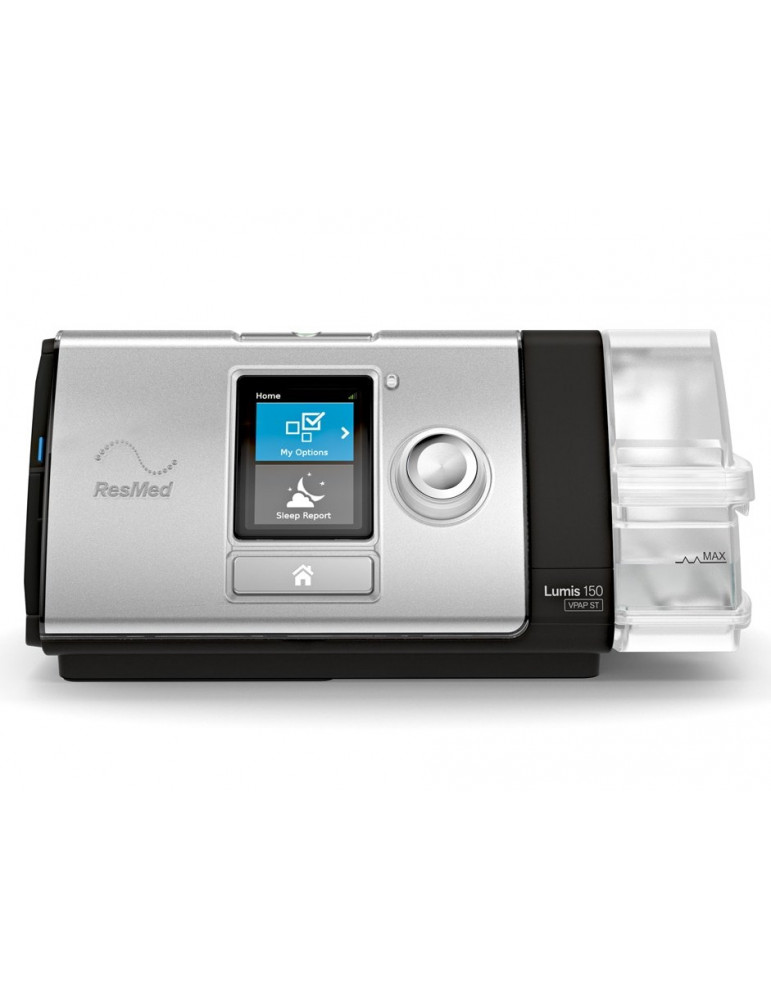
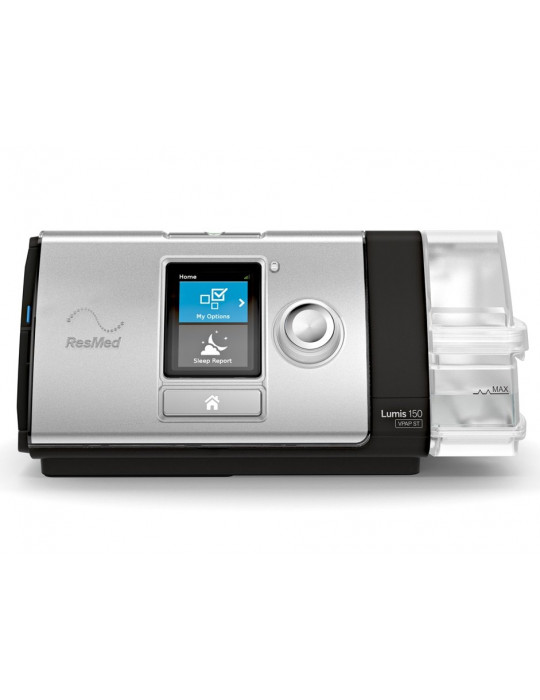
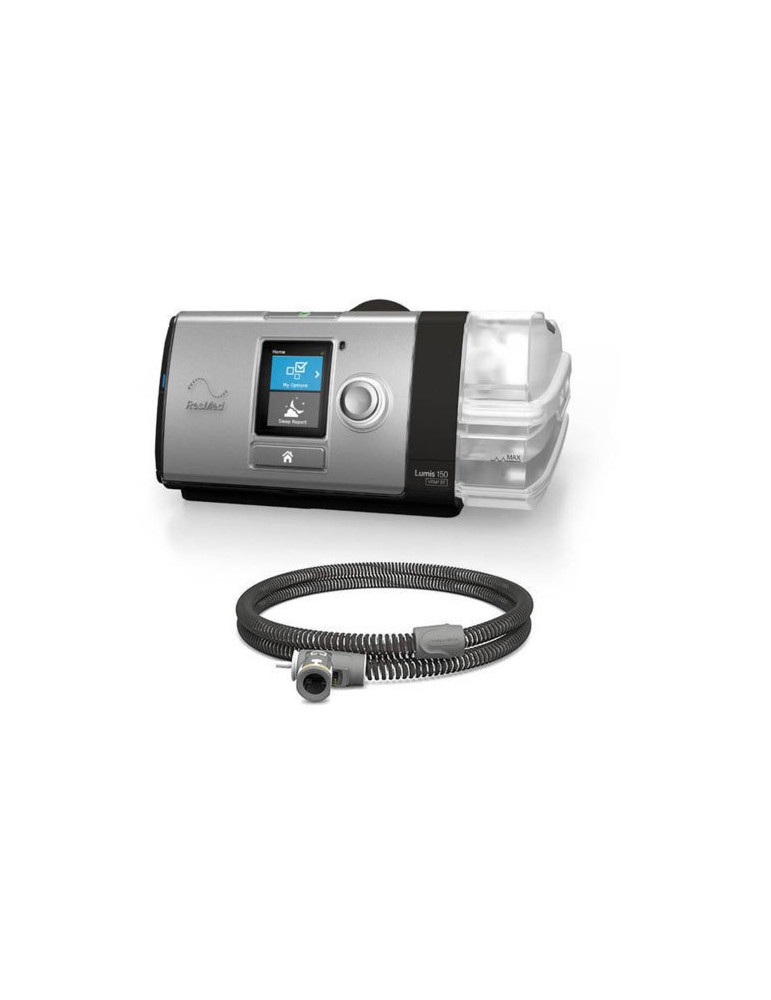
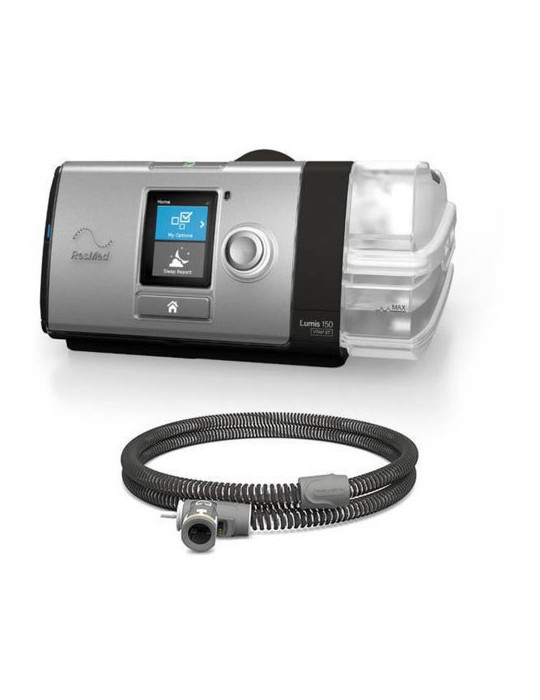
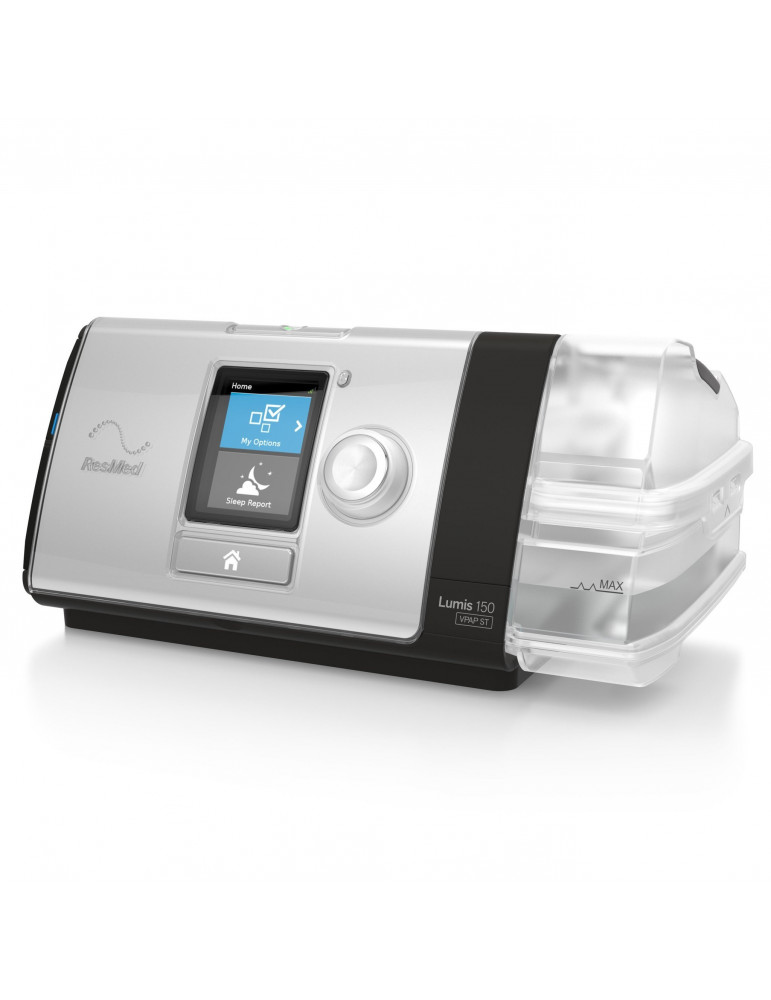
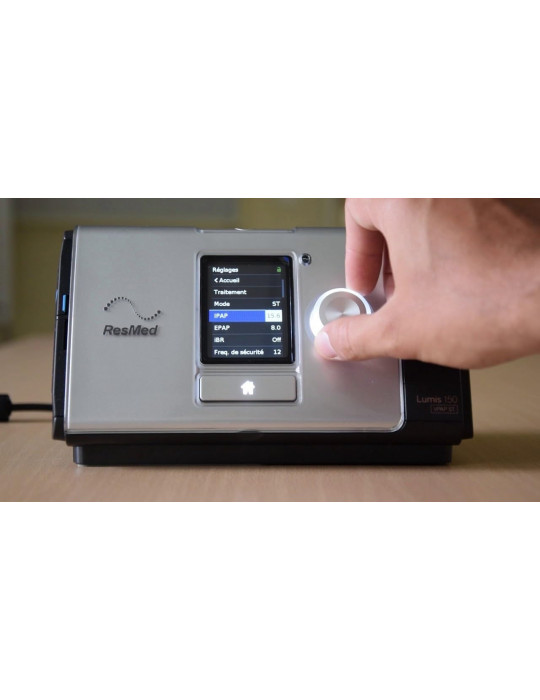
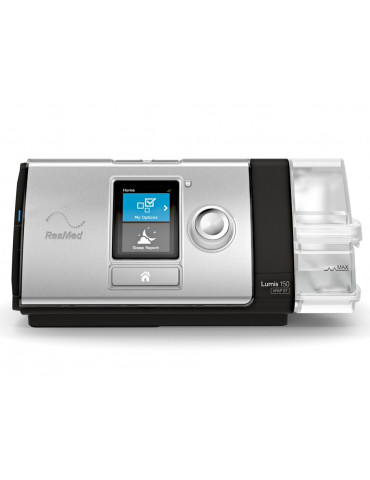
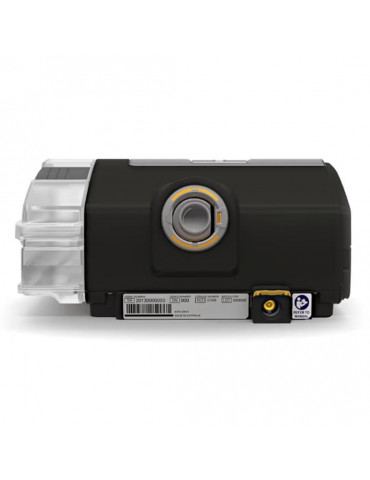
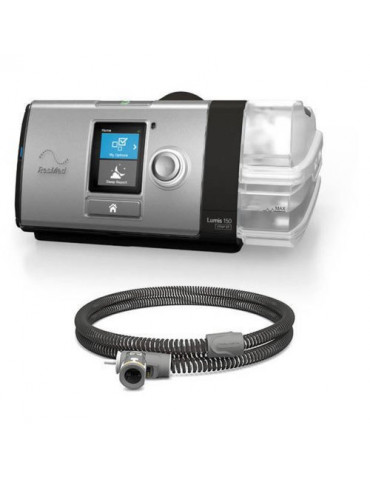
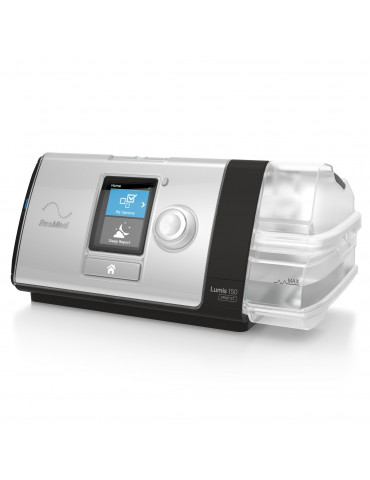
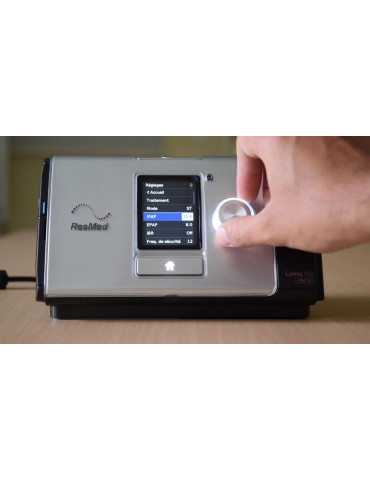
The ResMed Lumis 150 VPAP ST is a premium non-invasive ventilator designed for patients who require reliable respiratory support at home or in clinical settings. It is especially effective for COPD, restrictive lung disease, neuromuscular disorders, and patients requiring Spontaneous/Timed (ST) ventilation.
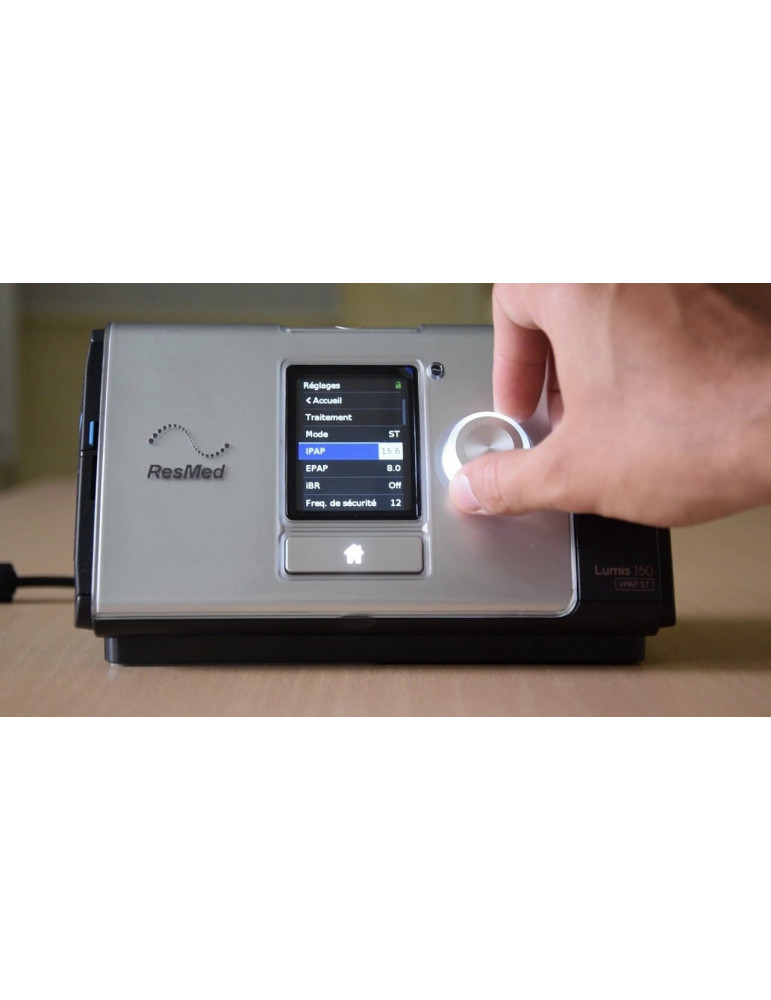
This advanced VPAP ST machine features intelligent backup rate, precise pressure delivery, and integrated alarms, ensuring patient safety and comfort. The Tripack 4G connectivity allows remote monitoring, making it an ideal solution for long-term home ventilation.
VPAP ST mode with intelligent backup rate
Non-invasive ventilation for home & hospital use
Advanced event detection and alarms
Comfortable therapy with low noise operation
Tripack 4G remote monitoring support
Compact, reliable & clinically proven ResMed technology
Available in Mumbai, Navi Mumbai, Thane & Surat
Maxtech Home Healthcare is an authorized and trusted supplier of ResMed Lumis 150 VPAP ST ventilators. We offer sales support, installation, patient education, and after-sales service across Mumbai, Navi Mumbai, Thane, and Surat.
Why Buy from Maxtech Healthcare?
10+ years of home healthcare experience
1700+ Google reviews (4.8★ rating)
Genuine ResMed products
Expert technical & clinical guidance
Fast delivery & service support
Looking for ResMed Lumis 150 VPAP ST ventilator near you? Maxtech Healthcare supplies and supports home ventilators in Mumbai, Navi Mumbai, Thane and Surat with expert service.
Before purchase consult your doctor | warranty claim direct at service center
Data sheet
Individually responsive with IntelligentAir
IntelligentAir is a collection of ResMed technologies that can tailor therapy to individual breathing needs:
Disclaimer
The description and specifications on the website are correct at the time of publishing. In Pursuit of continual improvement, we reserve the right to change the design and specifications of any of our products without prior notice. Picture for illustration purposes only. Specifications are taken from the above company website and they may change as per the changes on the company website.
Please take the advice of the authorized medical practitioner before use.
| Operating Modes | : BiLevel and CPAP, S, ST |
| Size (Approximate) | : BiPAP: 6.0 x 5.5 x 3.4 inches |
| BiPAP with Humidifier | : 6.0 x 11.5 x 3.4 inches |
| BiPAP with Humidifier | : 3.5 lbs |
| Air outlet | : 22 mm taper |
| Brand | : ResMed |
| Dimensions (L x W x H) | : 153 x 140 x 86 mm |
| Pressure Range | : 4-25 cm H2O |
| Weight (Approximate) | : 1.8 lbs |
A BiPAP (Bilevel Positive Airway Pressure) machine helps you breathe by delivering two pressure levels—higher when inhaling (IPAP) and lower when exhaling (EPAP)—making breathing easier and more natural during sleep.
IPAP: Higher pressure for inhaling; helps lungs fill with air.
EPAP: Lower pressure for exhaling; keeps airway open with easier breaths.
AVAPS (Average Volume Assured Pressure Support) is a smart BiPAP feature that auto-adjusts pressure to maintain consistent airflow, ideal for users with changing breathing needs.
CPAP: One constant pressure.
BiPAP: Two pressures (IPAP & EPAP).
BiPAP suits those with central apnea, COPD, or heart/lung issues; CPAP is best for simple obstructive apnea.
BiPAP is often more comfortable due to easier exhalation and variable pressure support, especially for those who struggle with CPAP.
Most BiPAP units weigh 6–8 lbs. While less compact than travel CPAPs, some lighter models are available for travel.
Ensure the mask fits snug but not tight. Adjust straps, try different mask styles or liners, and check fit while lying down.
Usually caused by mouth breathing with a nasal mask. Use a chin strap or switch to a full-face mask. Use the humidifier for added moisture.
Loosen straps slightly, clean your face before sleep, and consider mask liners to reduce pressure marks.
Clean the mask and your face daily. Use barrier creams or hypoallergenic pads. Replace cushions regularly.
The ramp starts therapy at a lower pressure and gradually increases to your prescribed level, making it easier to fall asleep.
It’s not recommended. Skipping can cause a return of sleep apnea symptoms like snoring, fatigue, and disturbed sleep.
Use a padded bag, carry a universal power adapter, and check airline rules. Some machines also support external battery packs.
Use a medical-grade power adapter. For road trips, use a DC adapter. In remote areas, use BiPAP-compatible battery packs.
Mask: Daily with mild soap and water.
Tubing & humidifier: Weekly.
Water chamber: Refill and empty daily.
Disposable filters: Every 2–4 weeks.
Foam filters: Clean weekly, replace every few months.
Cushions/headgear: As per machine manual.
AHI (Apnea-Hypopnea Index) tracks breathing interruptions per hour. Aim for a score under 5 for effective therapy.
Under 5: Excellent
5–15: Mild
15–30: Moderate
Over 30: Severe
It shows how much air escapes from your mask. Under 24 L/min is normal. Higher leaks may need mask adjustment or part replacement.
Yes, minor leaks from vent holes are normal. But frequent or large leaks may affect therapy—recheck your mask fit.
Ensure usage for at least 4 hours nightly. Check for mask leaks or pressure issues. Humidification and setting adjustments may help—consult your doctor.
No, mouth breathing reduces therapy effectiveness. Use a chin strap or switch to a full-face mask.
Use the ramp feature for gradual pressure. Relax while adjusting. If discomfort continues, consult your provider.
Yes, side-sleeping works well. Ensure the mask fits securely and the tubing doesn’t pull.
Some noise is normal. Check for air leaks or tubing kinks. Place the machine on a soft surface to reduce vibration.
Nasal: For nose breathers.
Full-face: For mouth breathers or congestion.
Nasal pillows: Minimal and side-sleeper friendly.