Syringe Pump vs Infusion Pump: A One-Stop Guide
When it comes to delivering fluids and medications with precision, syringe pumps and infusion pumps are two of the most trusted tools in healthcare. But how are they different? Which one should you use, and when? This guide breaks it all down in a clear, simple, and helpful way.
What Is an Infusion Pump?
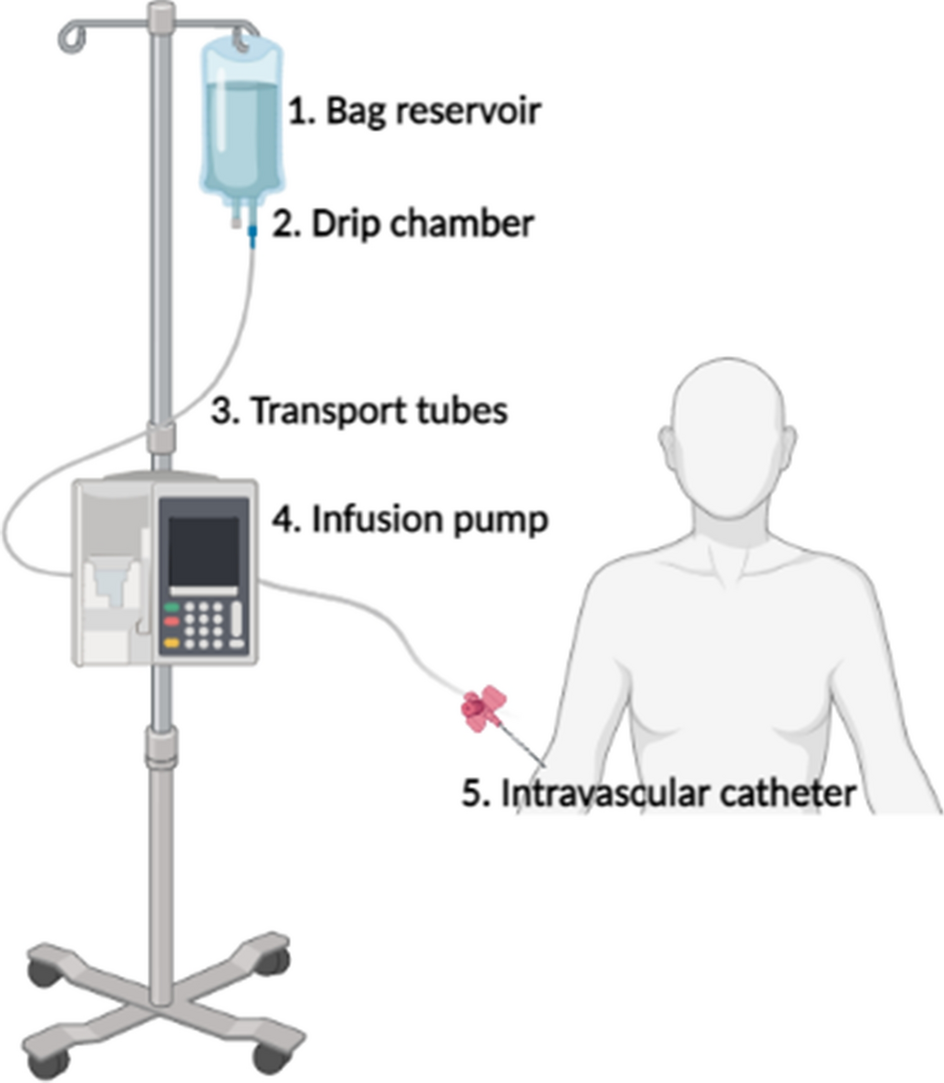
An infusion pump is a programmable device that pushes fluids—like medications, IV fluids, or nutrients—into the body from a bag or reservoir. These pumps are commonly used in hospitals for IV therapy, chemotherapy, antibiotics, blood transfusions, and even feeding tubes.
What Is a Syringe Pump?
A syringe pump holds a standard syringe and uses a motorized system to push the plunger at a precise rate. It’s essentially a specialized type of infusion pump, ideal for very small doses and ultra-accurate flow control. You’ll often see syringe pumps used in neonatal ICUs, research labs, and anesthesia settings.
Key Differences: Syringe Pump vs Infusion Pump
Mechanism
Volume and Flow
Syringe Pump: Designed for small volumes (0.5–60 mL), with flow rates as low as 0.01 mL/hr.
Infusion Pump: Handles large volumes (up to liters) and offers consistent flow for longer durations.
Portability
Syringe Pump: Compact and battery-powered, great for transport or home use.
Infusion Pump: Often bedside units, though some portable options exist for insulin or pain management.
Applications
Syringe Pump: Critical care, anesthesia, pediatric care, research, controlled medication delivery.
Infusion Pump: Routine IV therapy, hydration, chemotherapy, feeding tubes, pain management.
| Syringe Pump | Infusion Pump |
Pros | Pros |
Cons | ConsHigher cost and maintenance Bulkier and less portable Accuracy may decrease at very low flow rates
|
Clinical Use Cases
Infusion Pumps
Hydration/Nutrition: Administer IV fluids and TPN.
Chemotherapy & Antibiotics: Deliver precise drug doses over long periods.
Pain Management: PCA pumps allow patient-controlled medication delivery.
Home Therapy: Ambulatory pumps support medication at home.
Syringe Pumps
Neonatal & Pediatric: Ideal for ultra-low flow drug delivery.
Critical Care & Anesthesia: Perfect for potent drugs in ICU or OR.
Lab & Specialty Clinics: Used for CT contrast, dialysis, or experimental therapies.
Technical Features
Flow Rate Precision: Syringe pumps go as low as 0.01 mL/hr; infusion pumps excel in medium to high flow ranges.
Capacity: Syringe pumps max out at syringe volume; infusion pumps can run for hours from large IV bags.
Safety Features: Both types include alarms for occlusion and air-in-line. Infusion pumps often have dose-error reduction systems.
User Interface: Both can be programmed easily. Infusion pumps may include more data and dose tracking.
Hospital vs Home Use
In hospitals, syringe pumps are common in ICUs and ORs, while infusion pumps dominate on general wards. For home use, portable infusion pumps (like insulin or feeding pumps) are more common, though syringe drivers can be used in palliative or pediatric care with proper monitoring.
Training is essential with both devices. Ensuring users understand programming, alarm response, and safety checks is key to preventing dosing errors.
Cost and Maintenance
Syringe Pumps: Lower cost, fewer parts, easier maintenance. Consumables are standard syringes.
Infusion Pumps: Higher initial cost and need for specialized tubing sets or software updates.
Safety & Standards
Both syringe and infusion pumps are regulated medical devices. They must meet strict standards for accuracy, reliability, and user safety. Always follow healthcare protocols and use devices approved by national agencies like the FDA or CE.
Final Takeaway
Syringe pumps and infusion pumps serve different but equally vital roles. Use syringe pumps when you need tiny doses delivered with pinpoint accuracy. Choose infusion pumps when you need to deliver fluids or medications over longer periods.
Understand your clinical needs, the required precision, and the setting—whether hospital or home—to select the right device for safe and effective therapy.