


-
Rental
Lowest price guaranteed
Product Highlights :

Security policy

Delivery policy

Return policy
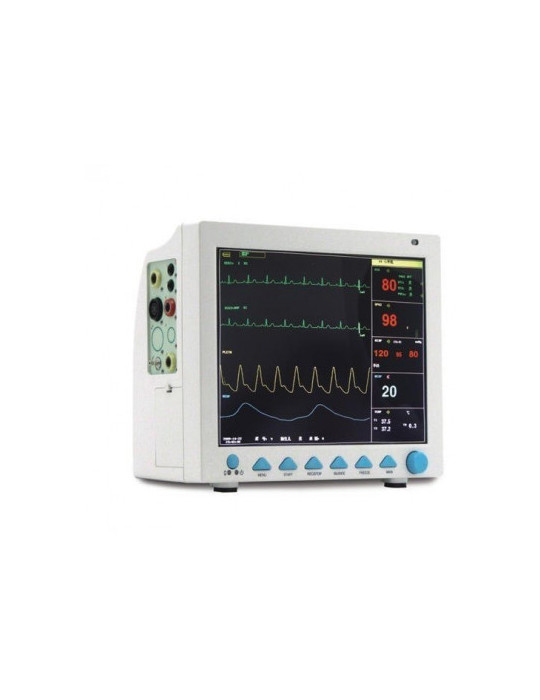
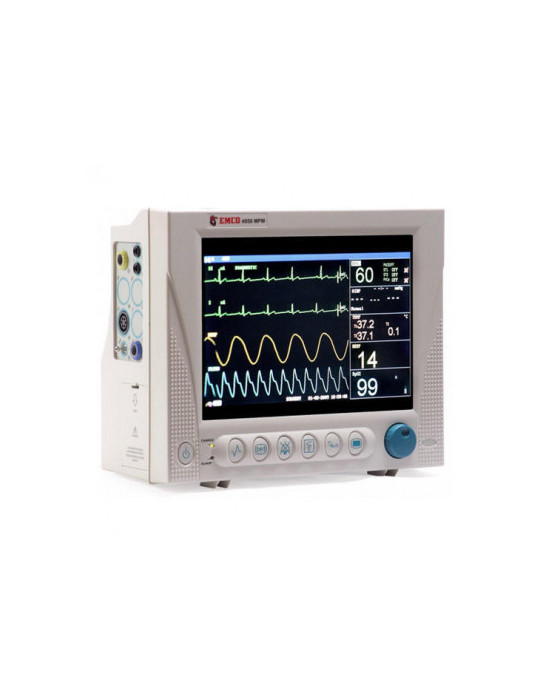
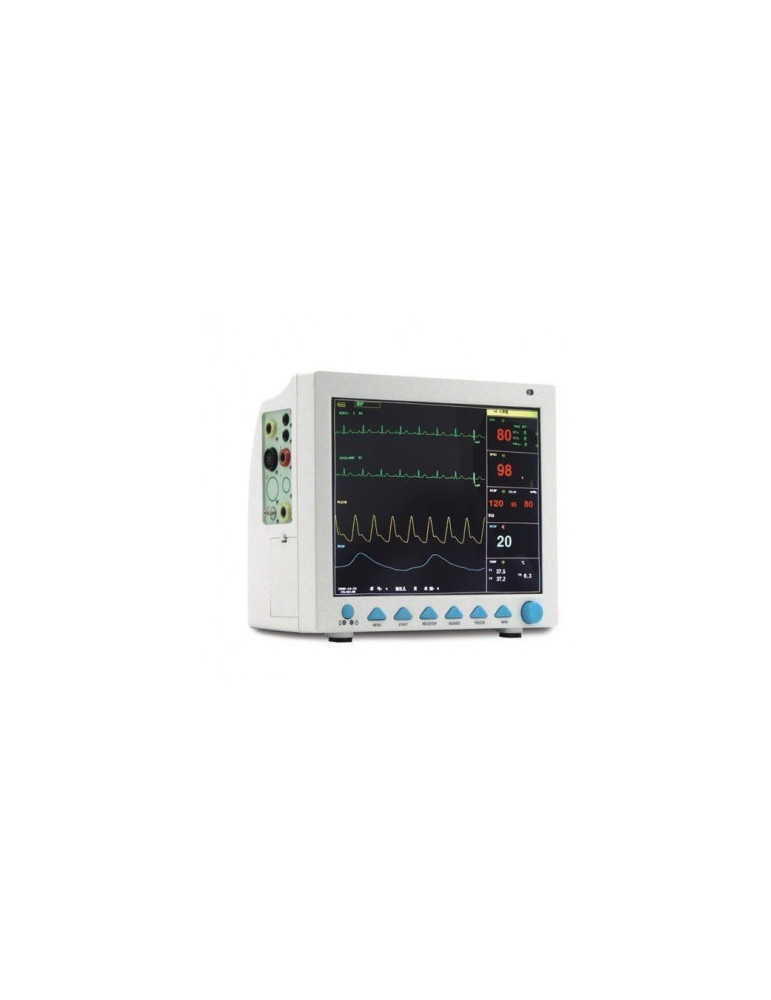
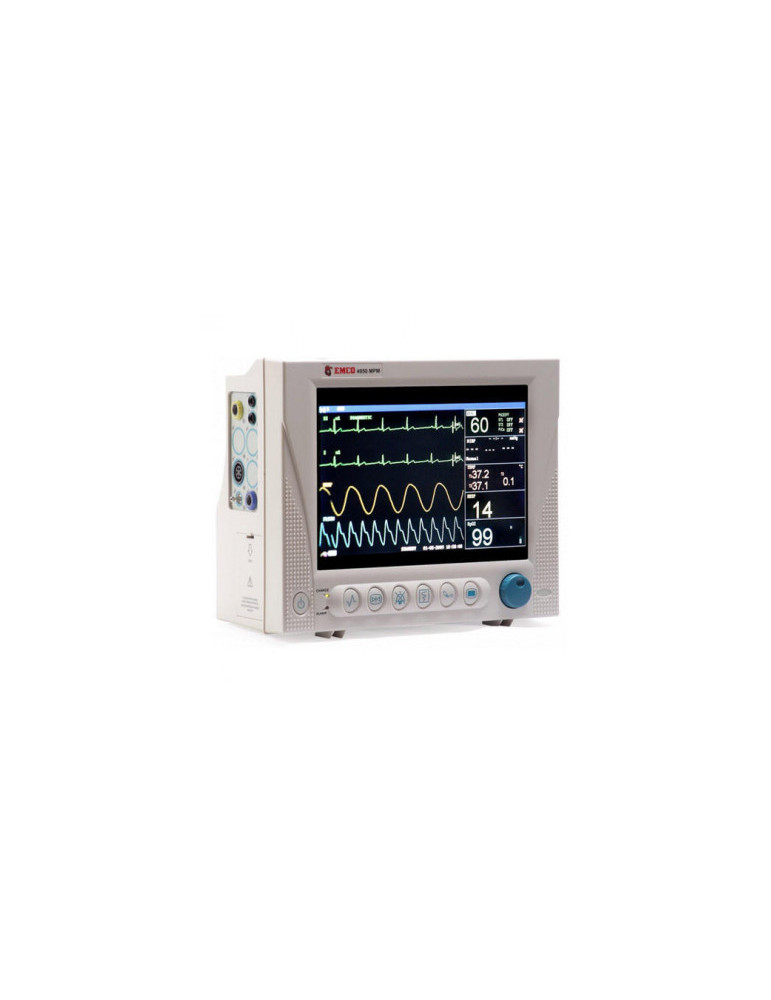
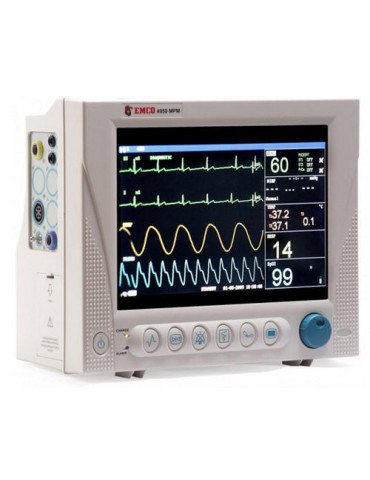
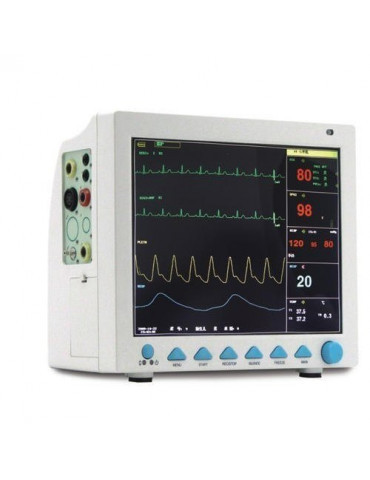
A patient monitor, also known as a medical monitor or vital signs monitor, is a device used to continuously or intermittently monitor various physiological parameters of patients. These parameters provide essential information about a patient's health status and can help healthcare providers make informed decisions regarding diagnosis, treatment, and management.
Data sheet
For More Technical Details Please Contact Us.
Please take the advice of the authorized medical practitioner before use.
Q1. What is a patient monitor?
A patient monitor is a medical device that continuously tracks vital signs like heart rate, blood pressure, oxygen levels, and breathing rate. It helps doctors and nurses keep a close eye on your health in real time.
Q2. What vital signs does a patient monitor measure?
Most monitors measure heart rate, blood pressure, blood oxygen saturation (SpO₂), and respiratory rate. Some also track temperature and heart rhythms using ECG.
Q3. Who uses patient monitors?
Patient monitors are commonly used in hospitals, ICUs, emergency rooms, and ambulances. Doctors and nurses rely on them to monitor patients who need constant supervision.
Q4. Are patient monitors only found in hospitals?
Yes, mostly. While home-use versions of some monitoring tools exist (like digital thermometers or pulse oximeters), full-scale patient monitors are typically used in medical facilities.
Q5. Why is my patient monitor beeping?
It usually beeps when your vital signs move outside the normal range or if a sensor is disconnected. It’s meant to alert medical staff, not to alarm you.
Q6. Are patient monitors safe and painless?
Yes, they are completely non-invasive. They use gentle tools like a cuff, finger clip, or sticky chest pads and don’t cause pain.
Q7. Do patient monitors always send information to nurses?
In hospitals, many monitors are connected to a central system, so nurses can view your vitals even if they’re not in the room. Alarms also go off if there's an urgent change.
Q8. What do the numbers on the monitor mean?
You’ll usually see your heart rate (bpm), blood pressure (mmHg), oxygen level (%), and breathing rate. These values help healthcare teams assess your condition quickly.
Q9. How is a patient monitor different from a fitness tracker?
Fitness trackers give general wellness insights, like step count or pulse, but patient monitors are medical-grade devices offering accurate, continuous monitoring of multiple vital signs.
Q10. Can patient monitors be used at home?
Yes, there are home-use patient monitors available for individuals with chronic conditions or those requiring regular monitoring. However, they may not offer the comprehensive features of hospital-grade monitors.
Q11. How do I maintain a patient monitor?
Regular cleaning with a damp cloth and ensuring sensors are functioning properly are essential. Always follow the manufacturer's maintenance guidelines.
Q12. What should I do if the monitor displays an error?
Check all connections and sensors. If the issue persists, consult the user manual or contact technical support.
Q13. Are there portable patient monitors?
Yes, portable monitors are available for ambulatory patients or home use, offering flexibility without compromising on essential monitoring features.
Q14. How accurate are patient monitors?
Hospital-grade monitors are highly accurate, but it's essential to ensure they are calibrated regularly for optimal performance.
Q15. Can I rent a patient monitor?
Yes, many medical equipment providers offer patient monitors for rent, suitable for short-term needs or home care situations.
Q16. What should I consider when renting a patient monitor?
Ensure the device meets your specific monitoring needs, is well-maintained, and comes with technical support. Also, check the rental terms and conditions.
Q17. How long can I rent a patient monitor?
Rental durations vary based on provider policies and patient needs, ranging from a few days to several months.
Q18. Is training provided when renting a patient monitor?
Most providers offer basic training or user manuals to ensure safe and effective use of the equipment.
Q19. Are there any risks associated with using patient monitors?
When used correctly, patient monitors are safe. However, improper use or ignoring alarms can lead to missed critical health changes.
Q20. Do patient monitors require regular calibration?
Yes, regular calibration ensures the accuracy of readings. Follow the manufacturer's guidelines or consult with the rental provider.
Disclaimer:
The information provided here is for general understanding and is not a substitute for professional medical advice. Always consult with healthcare professionals regarding any medical concerns or equipment usage.